A particular kind of clutter builds up in busy shared buildings. Not the lively sort that suggests activity, but the costly kind: delivery trolleys left in fire routes, maintenance stock piled in corners, archived files spilling into plant rooms, and residents or staff never quite sure what belongs where. It happens in office blocks, mixed-use developments, campuses and leisure centres. Front-facing spaces may be polished, but the back-of-house often tells a different story.
What makes this more pressing in 2026 is the squeeze on building managers from both sides. Occupants expect cleaner, safer, tidier surroundings, while budgets still favour practical fixes over major refurbishments. So attention has shifted to adaptable internal barriers that improve organisation without making spaces feel closed off or overbuilt.
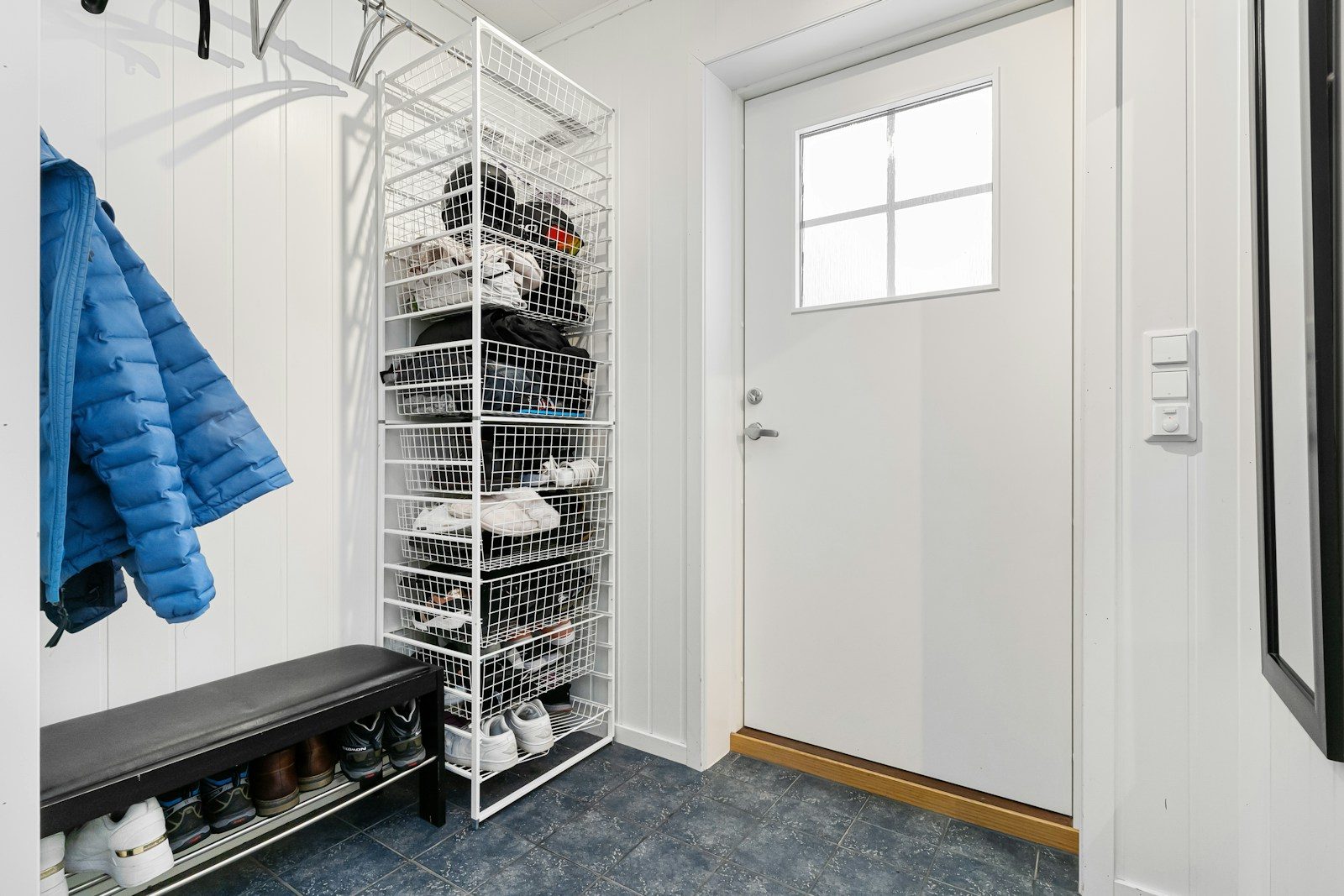
One reason mesh partitions keep coming up in these discussions is the way they combine openness with control. In places where facilities teams need visibility, airflow and clear sightlines, solid walls can create more problems than they solve. A wire-mesh enclosure can separate cleaning supplies from parcels, secure maintenance equipment, or mark out a bike or recycling area, without turning a service zone into a warren of dark cubicles.
Why the detail matters
Small design decisions in service areas often have outsized effects. A sensible storage boundary can help with:
- keeping escape routes clear
- reducing arguments over shared space
- making stock checks quicker
- improving security without hiding problems
That last point is easy to miss. In many buildings, visible order is part of good management. If caretakers, contractors and tenants can all see how a space is being used, misuse is easier to spot early, and standards are easier to maintain. For general readers, that may sound like a niche facilities issue. In practice, it is one of those behind-the-scenes choices that helps determine whether a building feels competent, safe and well run.
Featured image photo by Alex Tyson.